
Tantalum
Ti / Ta / Zr / Nb / Ni

Tantalum for Extreme Corrosion Environments

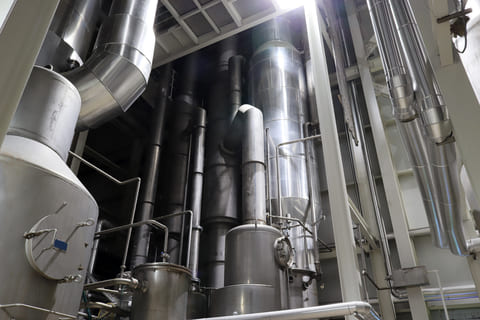
Tantalum is a rare, extremely corrosion-resistant refractory metal widely used in the chemical, semiconductor, and aerospace industries.
 

With its unmatched resistance to strong acids—including nitric, sulfuric, hydrochloric, and hydrofluoric acids—tantalum remains stable where most metals rapidly deteriorate.
 

Its unique combination of corrosion resistance, thermal stability, and biocompatibility makes it indispensable for high-purity and high-reliability systems.

ATX material Tantalum

Key Material Properties of Tantalum

Tantalum combines exceptional corrosion resistance, high-temperature strength, thermal stability, and biocompatibility—making it a critical material for demanding chemical, semiconductor, medical, and high-purity industrial applications.

High Corrosion Resistance​

Stable in aggressive chemical environments, including hot and concentrated acids.

  • Formation of a stable Ta₂O₅ oxide layer
  • Resistance to strong mineral acids
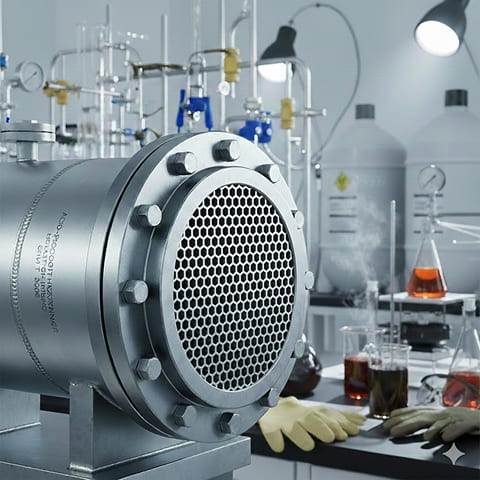
  • Applicable to reactors and chemical processing systems

High Strength-to-Weight Ratio

Maintains structural stability while allowing forming and machining.

  • Supports forming, machining, and welding
  • Maintains properties under mechanical load
  • Used in pressure vessels and precision components

Heat & Oxidation Resistance

Stable under high-temperature and oxidizing conditions.

  • Melting point around 3,017°C
  • Oxide layer reduces deformation at high temperature
  • Applicable to vacuum and high-temperature systems

Biocompatibility

Chemically inert in biological and high-purity environments.

  • No ion release in bodily fluids
  • Supports tissue integration
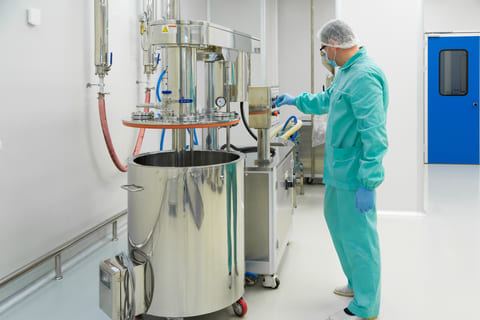
  • Used in medical and semiconductor systems

Where Tantalum Is Used

Common Industrial Tantalum Grades

Category Grade Feature Typical Applications
Pure Tantalum Ta (R05200) Corrosion resistance in strong acids
High ductility
Stable oxide layer (Ta₂O₅)
Chemical reactors
Acid process equipment
Heat exchangers (HCl / H₂SO₄)
Ta (R05400 High Purity) High purity (low impurities)
Stable in ultra-clean environments
Low contamination risk
Semiconductor wet benches
Etching equipment
Diffusion components
Tantalum-Niobium Alloy Ta-2.5Nb (R05252) Improved strength vs pure Ta
Maintained corrosion resistance
Good formability
Heat exchangers
Piping systems
Chemical tubing
Ta-10Nb (R05255) Higher strength
Improved thermal stability
Corrosion resistance in acid systems
Pressure vessels
Acid recycle systems
Structural components
Tantalum-Tungsten Alloy (Ta-W) Ta-W2.5 Enhanced mechanical strength
Thermal stability
High-temperature capability
Furnace components
High-temperature structures
Ta-W10 High-temperature strength
Creep resistance
Structural stability under heat
Heat shields
High-temperature assemblies
Refractory / High-Temperature Grades EB-Refined Ta (Electron-Beam Melted) Ultra-high purity
Low inclusion content
Stable microstructure
Semiconductor equipment
Medical-grade components
Specialty Grades Tantalum Sheet/Plate (ASTM B708) Formability
Weldability
Corrosion resistance
Lining
Cladding
Plant retrofit
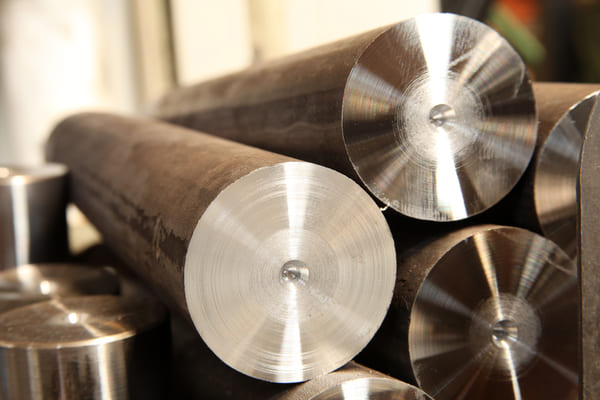
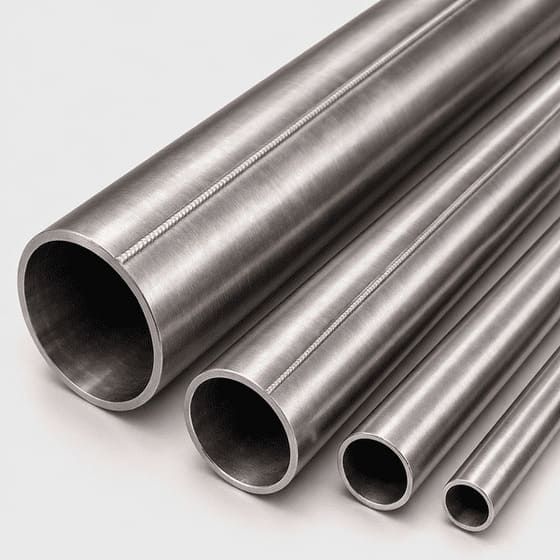
Tantalum Tube/Rod (ASTM B365) Precision forming capability
Corrosion resistance
Dimensional stability
Acid pipelines
Medical components
Heater elements

Representative Corrosion Rates

Environment Tantalum (Ta) Ti Gr.2 SUS316L Notes
Seawater (25°C) < 0.00001 < 0.0001 0.02-0.05 Stable passive oxide film
Negligible corrosion rate
Chloride Solution < 0.0001 < 0.0001 0.1-0.3 No pitting behavior
SUS susceptible to localized attack
Oxidizing Acid (HNO₃ 20%) < 0.0001 < 0.0001 0.05-0.2 Stable under oxidizing conditions
Maintains corrosion resistance at elevated temperature
Reducing Acid (H₂SO₄ 10%) < 0.005 0.0005 1-3 Stable at higher acid concentrations
Ti performance decreases with concentration
Brine < 0.0001 < 0.0001 0.1-0.3 Chloride-resistant behavior
No localized corrosion observed
Wet Chlorine Gas Stable Stable Rapid Attack Stable in chlorine environments
SUS experiences rapid degradation
Hydrochloric Acid (HCl) Stable Increased (Caution) Severe Attack Stable even in hot HCl
Ti requires condition-dependent evaluation

Physical Properties (Reference: Tantalum R05200 / Grade 1)

Tantalum is applied in environments requiring high corrosion resistance and thermal stability.
The following table presents representative physical properties for material selection and design.

Property Value (Tantalum) Description
Density 16.6 g/cm³ Higher than steel and titanium, requiring consideration in structural load and handling.
Melting Point 2,996°C Suitable for high-temperature service where thermal stability is required.
Tensile Strength ~285 MPa Ductile at room temperature, with strength increasing after cold working.
Yield Strength ~185 MPa Moderate at room temperature and retained under elevated-temperature conditions.
Elongation 20–30%+ Supports forming and thin-gauge fabrication where ductility is required.
Thermal Conductivity 57.4 W/m·K Applicable to equipment requiring both heat transfer and corrosion resistance.
Modulus of Elasticity 186 GPa Provides stiffness comparable to carbon steel in structural design.

Meterials Supplied by ATX

Primary Metal Materials

Ingots / Blooms / Billets

Ingot · Bloom · Billet

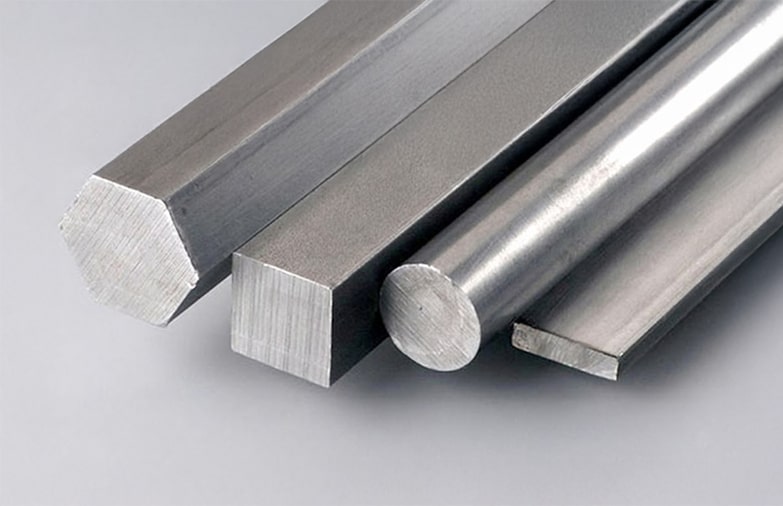
ATX Metal Bar and Rod

Bars 〉

Round Bar · Square Bar · Flat Bar

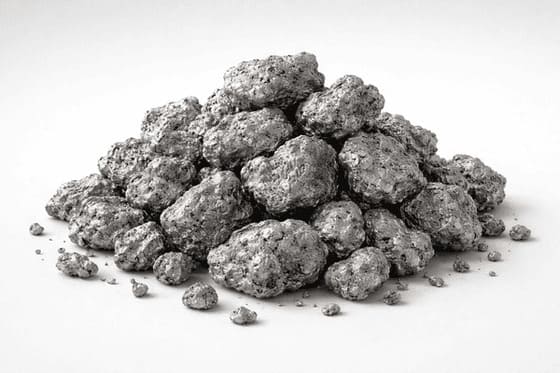
Sponge

Flat Products

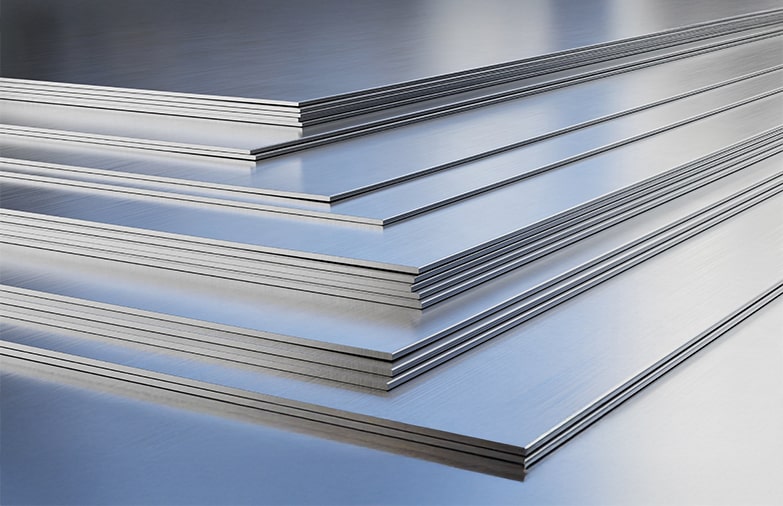
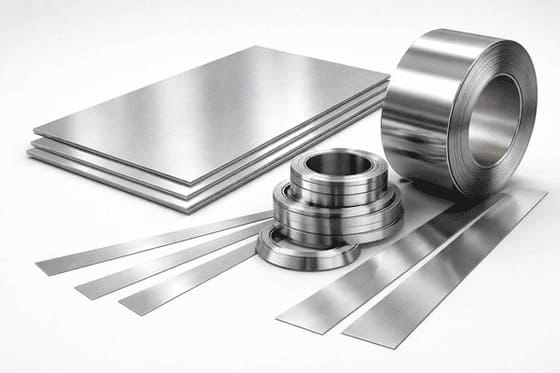
sheet

Sheet 〉

Thin Sheet · Foil · Strip

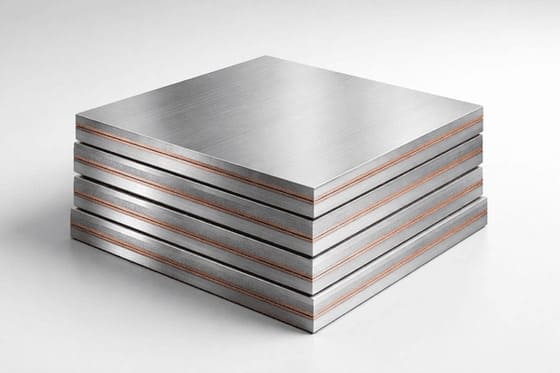
clad plate

Clad Plate

Explosion Bonded · Roll Bonded · Weld Overlay

Accessories & Components

wire products

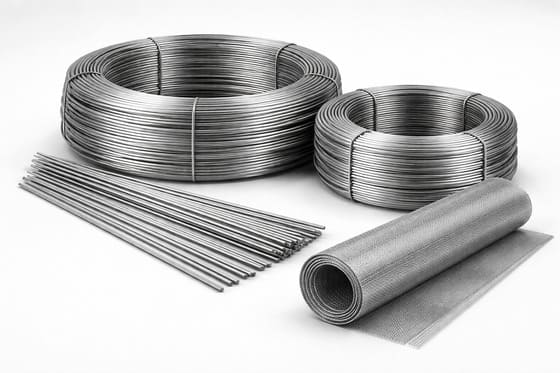
Wire Products

Wire Rod · Welding Wire · Mesh Wire
piping components

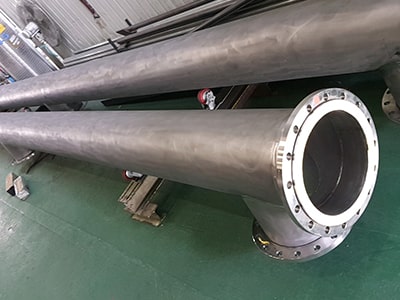
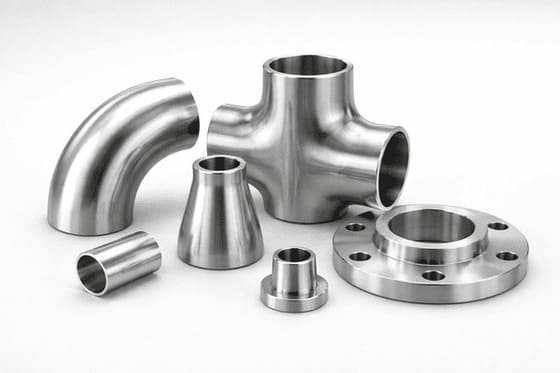
Piping Components

Pipe Fittings (Elbow · Tee) · Flanges
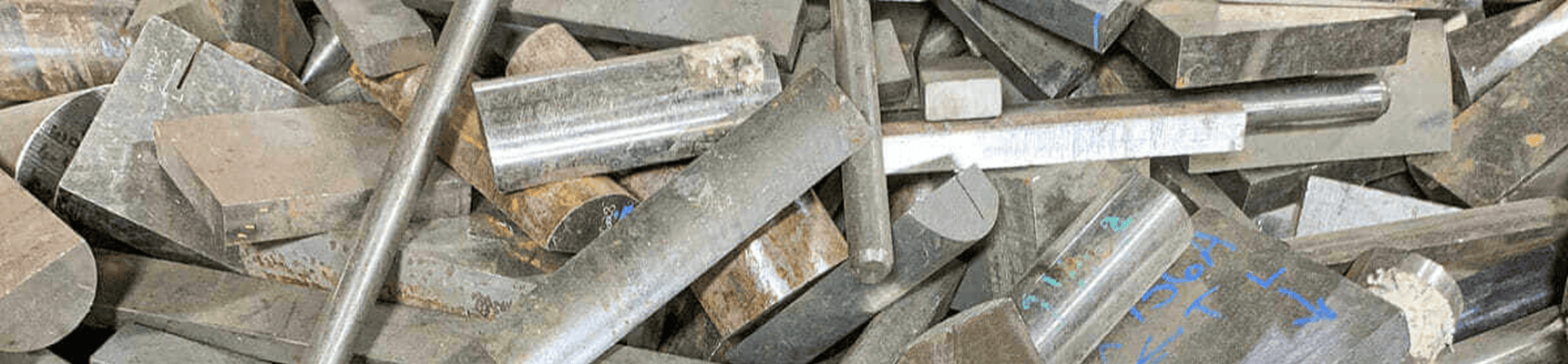
Specialty Metal Scrap & Recycling

Exceptional Corrosion Resistance

ATX provides a one-stop solution from material supply to customized fabrication,
backed by over 35 years of manufacturing and processing experience in titanium and specialty non-ferrous metals.