

チタン – 高強度および耐食環境適用材料
チタンは、高い強度と低い密度を有する金属であり、耐食特性をあわせ持つ材料です。
産業、化学およびエネルギー設備分野に適用されます。"
チタン – 高腐食環境適用材料
チタンは高い比強度と耐食特性を有する特殊非鉄金属です。化学、海洋および半導体産業など腐食環境で運転される設備に適用されます。
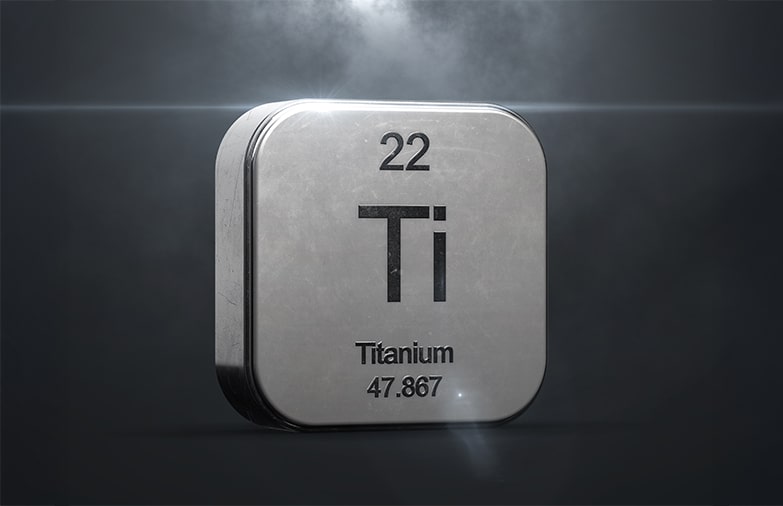
チタンの主要物性
チタンは、優れた耐食性、高い比強度、熱的安定性および生体適合性を有する素材です。
海水環境、化学プロセス、エネルギー設備及び医療分野など、様々な産業領域で適用されます。
優れた耐食性
チタンは表面に安定したTiO₂酸化皮膜を形成し、海水、塩素系媒質、一部の有機・無機酸環境において耐食特性を示します。 損傷時にも再酸化が行われる特性により、反応器、熱交換器、海水設備などに適用されます。
高い強度と低い密度
チタンは鋼と同等の機械的強度を有しながらも、密度は約60%水準であり、軽量化が要求される構造設計に適用されます。 優れた疲労特性により反復荷重条件下においても安定した挙動を示し、航空、エネルギー及び産業設備分野で活用されます。
耐熱及び酸化安定性
チタンは高温条件で安定した酸化皮膜を維持する特性を有しています。 約400 °C範囲まで機械的強度を維持し、熱交換器、排気系統及び発電設備部品等に適用されます。 合金等級に応じて高温特性及び耐食特性が異なる場合があります。
生体適合性
チタンは体液環境で安定した挙動を示す素材として知られています。 表面酸化皮膜は組織との接触環境で化学的安定性を維持し、医療用インプラント及び手術器具などへの適用実績があります。 また高純度条件が要求される半導体及び医薬品工程設備にも使用されています。
チタン適用分野
高温・高濃度酸環境での
熱伝達設備に適用されます。
高腐食化学プロセスにおいて、長期運転を
考慮した内部ライニング構造に使用されます。
腐食性蒸気および反復的な熱サイクル条件がある
設備に適用されます。
汚染管理が重要な
化学プロセスに使用されます。
| Category | Grade | Key Features | Main Characteristics | Primary Applications |
|---|---|---|---|---|
| CP Titanium | Gr.1 | Highest ductility and formability | Low strength, maximum corrosion resistance | Heat exchangers, chemical plants, formed parts |
| Gr.2 | Industry standard | Balance of strength & corrosion resistance, excellent weldability | Pressure vessels, piping, chemical process equipment | |
| Gr.3 | Stronger than Gr.2 | High strength while maintaining corrosion resistance | Structural components, high-pressure environments | |
| Gr.4 | Highest strength among CP grades | Marine and high-pressure structural parts | Offshore structural materials, high-strength components | |
| α Alloy | Gr.7 (Ti-0.2Pd) | Palladium added | Highest level of corrosion resistance among all titanium | Hydrochloric acid & chlorine chemical equipment |
| Gr.11 (Ti-0.2Pd, Low O) | Low-oxygen version of Gr.7 | Enhanced ductility and improved weldability | Pressure vessels for chemical plants | |
| Gr.12 (Ti-Mo-Ni) | High temp/pressure corrosion resistance | Optimized for high-temperature corrosive environments | Hydrometallurgy, high-temperature piping | |
| Gr.16 | Pd alloy (Low O) | Same as Gr.7 with increased formability | Chemical/Seawater high-corrosion resistant parts | |
| Gr.17 | Pd alloy (Low O) | Similar to Gr.11 | Fine chemical and marine equipment | |
| α–β Alloy | Gr.5 (Ti-6Al-4V) | Global standard titanium alloy | High strength, excellent fatigue resistance, lightweight | Aerospace structures, mechanical components |
| Gr.23 (Ti-6Al-4V ELI) | Extra Low Interstitial (ELI) of Gr.5 | High toughness, medical grade standard | Implants, orthopedic and dental applications | |
| Gr.6 (Ti-5Al-2.5Sn) | High-temperature stability | Superior high-temp strength retention | Aerospace engine casings | |
| Gr.9 (Ti-3Al-2.5V) | Lightweight with excellent weldability | Optimized for tubing | Heat exchanger tubes, bicycle frames | |
| Gr.18 | Improved version of Gr.9 | Increased toughness | Aircraft structural materials | |
| β Alloy | Ti-10V-2Fe-3Al (Ti-1023) | High strength and excellent workability | High strength for structural components | Aerospace structures |
| Ti-6Al-2Sn-4Zr-2Mo (Ti-6242) | Excellent high-temp performance | High-temp strength and oxidation resistance | Aerospace engine components | |
| Ti-6Al-2Sn-4Zr-6Mo (Ti-6246) | Stronger than 6242 | Stable at ultra-high temperatures | High-temperature turbine components | |
| Ti-15V-3Al-3Cr-3Sn (Ti-15-3) | Deep-formable alloy | Excellent cold-forming capabilities | Aerospace panels, springs | |
| Ti-3Al-8V-6Cr-4Mo-4Zr (Ti-38644) | For extreme environments | Ultra-high strength and heat resistance | Defense and special aerospace components | |
| Ti-5Al-5V-5Mo-3Cr (Ti-5553) | Highest level of strength | For high-load components like landing gear | Heavy-load aerospace structures |